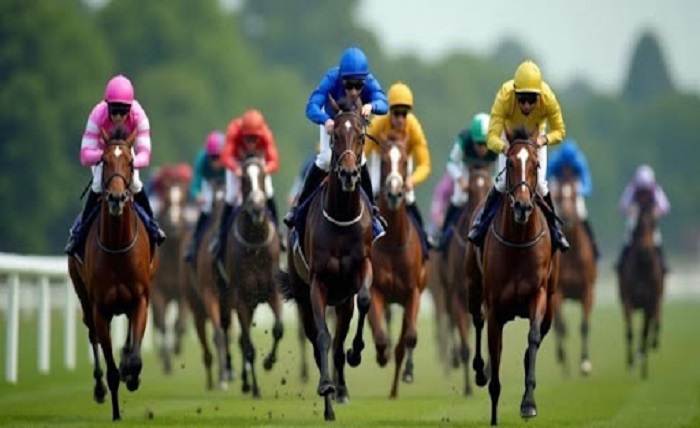
Horse Racing Game covers two very different products sitting side by side in most lobbies: computer generated races running every few minutes, and coverage of genuine meetings taking place at a real track. They look similar on a coupon and behave nothing alike. This guide from GO88 explains how each Horse Racing Game format works, which markets appear on both, and how to budget for a category that cycles far faster than traditional racing.
The Two Horse Racing Game Formats
At go88 , Telling the two apart before placing anything is the single most useful habit in this section of a lobby. Labelling is not always obvious, particularly on mobile. Four points cover the distinction clearly.
Virtual Races
Computer generated races run on a fixed schedule, often every three to five minutes, with animated horses and full commentary. The result is produced by a certified random number generator before the animation plays. A virtual Horse Racing Game publishes an overall return figure in the same way a slot does.
Real Meeting Coverage
Genuine racing follows the actual fixture list, so each event is shaped by real horses, tracks and race-day conditions rather than predetermined simulation parameters. Form guides, going reports, jockey bookings, trainer statistics, recent performances and draw positions can all provide useful information before a race. Prices also develop through a live betting market, responding to available information and changes in demand instead of relying solely on fixed internal weightings.
Late withdrawals, weather changes or significant market movement may therefore alter the assessment close to the start. Research genuinely matters in this Horse Racing Game format because participants can evaluate observable factors and compare them with the available odds, something that cannot be replicated to the same extent in a purely simulated race.
Spotting The Difference
Virtual products cycle on a countdown timer and never postpone. Real racing carries a venue name, a going description and a declared runner list published in advance. Checking for a going report is the quickest way to identify which Horse Racing Game you are actually looking at. Runner names in virtual products also tend to repeat across cycles.
Why It Matters
Applying form study to a virtual product wastes effort on information that was never generated, while treating real racing as a random cycle ignores everything useful. The two demand completely different approaches. Mixing up one format with the other is the most common error newcomers make.
Markets On A Horse Racing Game Card
Both formats reproduce a familiar racing coupon, though liquidity and depth differ considerably. Understanding what each settles on prevents most confusion. Four groups cover almost everything available.
Win And Place
The straightforward market involves backing a runner to finish first, while place markets offer a return when the selection finishes within a specified number of leading positions. Depending on the field size, race type and operator rules, this may mean finishing in the top two, three or four. These terms can vary considerably, so identical selections may effectively carry different conditions across platforms or events.
Some races may also offer expanded place terms through specific promotions, while smaller fields can reduce the number of qualifying positions. For that reason, checking exactly how many places a Horse Racing Game pays, along with the applicable odds and settlement rules, is worth the few moments it takes before staking.
Each Way
An each way bet splits the stake between win and place, so a ten unit bet costs twenty. The place portion pays a fraction of the win odds, commonly a quarter or a fifth. This structure suits longer priced runners far better than short favourites, where the place return rarely justifies doubling the outlay.
Forecasts And Tricasts
Predicting the first two or three finishers in order pays substantially longer prices. Combination versions cover several orderings at a proportionally higher cost. These markets appear on both virtual and real cards, though a virtual Horse Racing Game usually offers a simplified version.
Head To Head And Specials
Some cards price two named runners against each other regardless of the overall result. Real meetings add markets on winning distance, jockey doubles and race specials. These carry wider margins and thinner limits than the main win market, so they suit occasional interest rather than regular volume.
Budgeting For A Fast Cycle
The virtual format compresses an evening into a very short window, which is the genuine risk in this category. Controlling pace matters more than selecting a runner. The habits below need agreeing before the first race.
Counting Races Rather Than Minutes
A product cycling every four minutes delivers fifteen races an hour, and most players stake on several runners per race. Multiply your total per race by that figure to see genuine exposure. Setting a limit measured in races gives a far more accurate picture of a Horse Racing Game session than any clock.
Flat Staking
Doubling after a loss escalates dangerously at this speed, and the maximum arrives long before a losing sequence resolves. Consistent stakes remove the problem entirely and cost nothing in expectation. This applies with equal force to real racing, where the temptation arrives immediately after a photo finish goes against you.
Ignoring Virtual Form Displays
Virtual products display previous results and runner statistics for atmosphere. Those figures record what already happened rather than predicting anything, since weightings do not change between races. Treating them as decoration removes the most common expensive habit in the virtual category.
Checking The Published Figures
Every virtual product publishes an overall return percentage, typically between 92 and 96 percent. Confirming it before playing is the single most useful check available. The game information panels on GO88 publish that figure alongside each product.
Final Thoughts
Horse Racing Game products split cleanly into simulations where research plays no part and real meetings where it decides everything, so identifying which you are looking at comes before any other decision. Confirm the return figure on virtual cards, check the place terms, and measure a session in races rather than minutes. Explore the Horse Racing Game options on go88 Nổ hũ, set your limits before the first countdown, and let the format guide the approach.