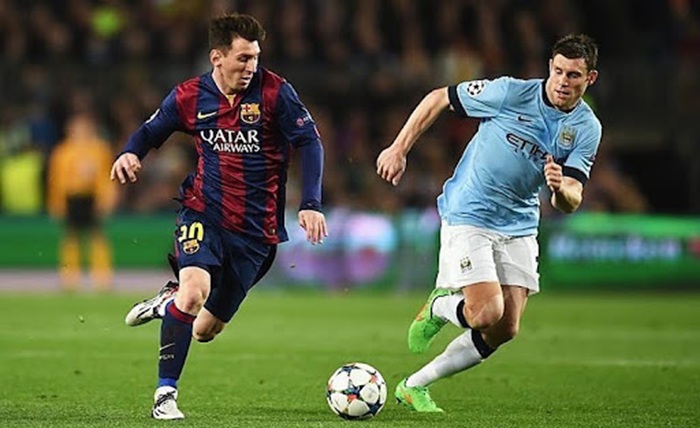
In modern football, passing ability has a major influence on how a team controls the game and builds attacks. So, what is passing in football, and why is this skill considered fundamental for most players? From simple short passes to through balls that break defensive lines, passing is present in almost every moment of a match. Fans can watch impressive passing performances through Socolive TV and many other online football platforms.
What Is Passing in Football?
What is passing in football can simply be understood as the technique of moving the ball from one player to another in order to maintain possession, move the ball into a favorable position, or create a scoring opportunity. It is a basic skill with a very wide range of applications, from passes covering just a few meters to highly accurate long balls played over the top.
A good passer needs more than refined footwork. They must also be able to scan the field quickly, anticipate teammates’ positions, and choose the right moment to release the ball. In a fast-paced match, even a brief delay can allow an opponent to intercept the pass.
Passing is therefore not simply about moving the ball from point A to point B. It is also a way for players to control the tempo, stretch the opposition’s defensive structure, and create space for teammates. When watching tructiepbongda, fans can easily notice that teams with strong possession-based play usually have a very organized passing system.
Common Types of Passing in Football
To better understand what is passing in football, it is important to distinguish between the different types of passes commonly used on the pitch. The short pass is the most basic option, usually played with the inside of the foot to retain possession and maintain team shape. Teams that favor possession football often use continuous short passing to draw opponents out of position.
Long passing offers greater attacking impact. A player can move the ball from their own half into an attacking area with a single pass. Center-backs and midfielders with strong long-passing ability often play an important role in transitioning from defense to attack.
There are also through balls, line-breaking passes, and passes into the space behind the defensive line. These types of passes require players to read the available space and anticipate the direction of their teammates’ runs. A well-executed through ball can sometimes eliminate several defenders at once and create a one-on-one opportunity with the goalkeeper.
Factors That Determine Pass Quality
An effective pass depends on several different factors. First is the weight of the pass. If the ball is played too softly, an opponent can easily close down the receiver and intercept it. Conversely, a pass that is too strong can make it difficult for a teammate to control or may send the ball out of play.
Accuracy is equally important. Players need to deliver the ball to the correct foot, in the right direction, or into the right space for their teammate to reach. During counterattacks, the speed of the pass can sometimes be just as important as its accuracy.
Beyond technique, scanning the field before receiving the ball also helps players pass more effectively. Elite midfielders often look around before receiving possession so they know where their teammates and opponents are positioned. This allows them to make decisions within just a few seconds.
Following matches through SocoliveTV is also a useful way for viewers to observe how top midfielders handle passing situations under pressure.
How Does Passing Affect Football Tactics?
In modern football, passing is closely connected to a team’s tactical approach. A team that wants to control a match usually needs players capable of circulating the ball quickly and accurately. When the ball is passed continuously, opponents have to move more, which can create gaps in their defensive structure.
Conversely, teams that favor counterattacking football often prioritize quick forward passes. After winning the ball back, players may use one or two direct passes to move possession toward the striker.
Soco Live often features matches showcasing different tactical styles, helping viewers recognize the differences between possession-based football and transition-based play.
In particular, central midfielders are often key components of a team’s passing system. They contribute defensively, connect different areas of the pitch, and move the ball into positions where it can create danger.
How to Improve Passing Skills
To improve passing ability, players need to practice the fundamentals regularly. Practicing short passes with both feet helps improve ball control and the ability to operate in tight spaces. Players can then gradually increase the passing distance and speed.
Another important area is scanning and awareness. Before receiving the ball, players should proactively check the positions of teammates and opponents. This helps them make faster decisions instead of needing extra time after controlling possession.
Besides individual training, watching real matches can also help players learn how professionals choose their passing options. Matches broadcast on Soco Live TV can provide numerous real-game situations for viewers to analyze passing, movement, and combinations.
Common Passing Mistakes
One of the most common mistakes is passing without properly scanning the field. When a player fails to check the opponent’s position, they can easily play the ball directly into a contested area.
The second mistake is using inappropriate passing weight. A pass that is too strong or too soft can both create difficulties for the receiver. In addition, relying on only one foot significantly limits a player’s ability to react in situations that require quick decision-making.
Players should also avoid passing purely out of habit. In football, every situation has a different context. A pass that worked effectively in the previous match may not necessarily be suitable for the current situation.
Passing and Match Control
A team with strong passing ability can generally control the tempo of a match more effectively. When they need to slow the game down, they can circulate the ball to stretch the opposition. When they identify an opening, a quick pass can immediately change the direction of an attack.
This is also why statistics such as the number of passes, passing accuracy, and chances created through passing are often used to evaluate a player’s performance. However, quantity is not the only factor. A player who makes fewer passes but creates several dangerous opportunities can contribute more than someone who completes many passes without much attacking impact.
Socolive Tivi gives viewers access to many exciting matches, providing additional insight into how top teams operate their passing systems.
Conclusion
Based on the analysis above, what is passing in football can be understood as the full range of skills and methods used to move the ball that help a team maintain possession, develop attacks, and create opportunities. From short passes and long balls to through balls, each type has its own role depending on the tactics and circumstances of the match.
When following tructiepbongda, pay attention to where players receive the ball, the direction of their movement, and their passing decisions. By observing regularly, viewers can better understand why a seemingly simple pass can make such a significant difference. Information about the lịch thi đấu c1 also helps fans choose notable matches to watch and analyze from a tactical perspective.